

AUSTIN, Texas (March 17, 2026) – The Texas Nuclear Alliance (TNA) hosted its third annual Nuclear x Texas (NxTX) gathering during SXSW 2026, bringing together executives, policymakers and leaders at the intersection of energy, AI and national security to discuss the growing intersection of nuclear power and artificial intelligence–driven computing.
Now in its third year, NxTX featured four sessions spanning AI infrastructure demand, state nuclear investment, advanced computing, and autonomous defense manufacturing, and how rapid growth in AI and data centers is driving a major increase in electricity demand and positioning nuclear energy as a key solution for reliable, large-scale power.
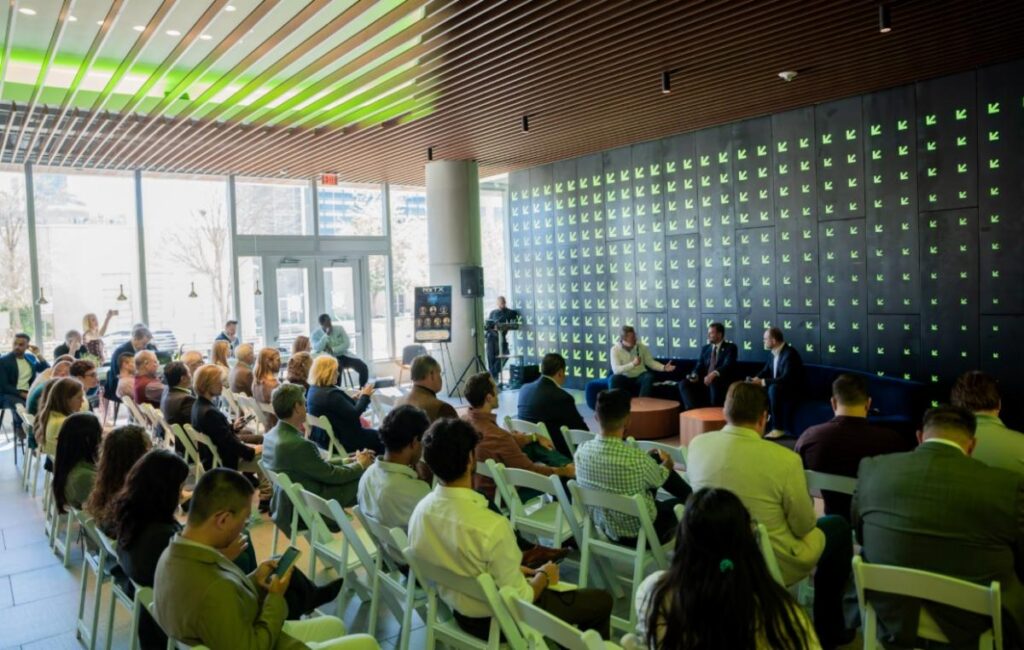
“Texas stands at a unique crossroads of energy, innovation, and rapidly growing power demand,” said TNA President Reed Clay. “As a longtime energy leader and home to world-class talent, our state is uniquely positioned to deploy advanced nuclear energy solutions capable of powering the next wave of AI-driven economic growth. Power is emerging as the biggest bottleneck, and Texas is positioning itself to solve that, with TNA working to make sure the people building AI infrastructure and the people building energy infrastructure are in the same room.”
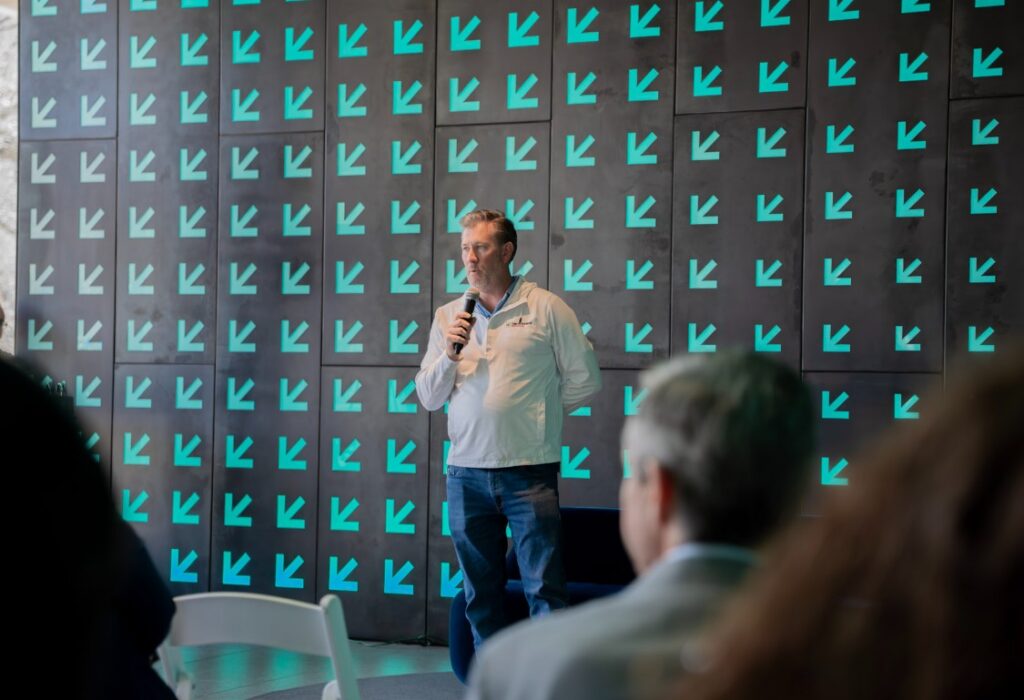
Oracle: AI Energy Demand and Infrastructure Constraints
Featuring Scott Charter, Director of AI Strategy at Oracle, and Gilbert Traverse, Director, Office of Technology & Innovation at Oracle
The session addressed the scale of hyperscaler power demand and the infrastructure bottlenecks constraining AI growth. Discussion covered global data center consumption projected to exceed 1,000 TWh by 2026, with hyperscalers having exhausted available utility power across the U.S. and increasingly looking at behind-the-meter generation. The conversation also touched on Oracle’s signing of the White House Ratepayer Protection Pledge on March 4, committing to funding new power generation without passing costs to residential ratepayers, and on NRC approval timelines improving from a historical range of 5-7 years down to 18 months for new reactor types.
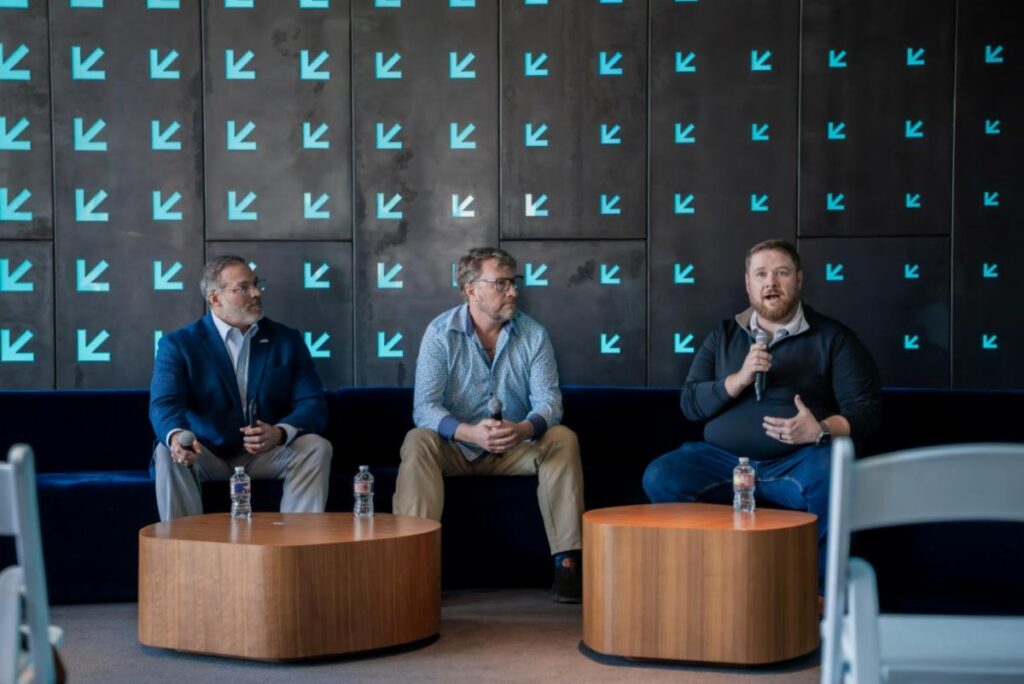
NVIDIA x Texas Tech: How West Texas is Leading in AI Innovation
Featuring Chancellor Brandon Creighton of the Texas Tech University System and Stephan Fabel, Senior Director of Software & Systems for NVIDIA
The session announced Texas Tech’s acquisition of the GB300 Grace Blackwell Ultra high-performance computing system, making it only the second university in North America with this technology alongside the U.S. Naval Academy postgraduate school. Discussion covered the system’s potential to address “computing deserts” in higher education where researchers currently wait months for minutes of access on centralized systems. Power was identified as the primary limiting factor for AI infrastructure, with 20 projects in Texas, and the four largest in West Texas near Texas Tech University, and the involvement of nuclear power to solve this problem as well as others unique to West Texas, such as produced water recycling.

TANEO: Texas’s $350M Nuclear Investment
Featuring Jarred Shaffer, Director of the Texas Advanced Nuclear Energy Office (TANEO)
The session detailed two grant programs launching soon under the $350M Texas Advanced Nuclear Development Fund. Discussion emphasized a technology-agnostic, commercialization-first approach, along with Texas’s strategic advantages: existing uranium deposits, oil and gas equipment manufacturer crossover potential, Gulf Coast industrial applications for high-pressure steam, and a strong manufacturing workforce. Community investment criteria, including apprenticeships, K-12 programs, and local engagement, were highlighted as part of the grant evaluation process.

Saronic: Autonomous Naval Manufacturing at Scale
Featuring Vib Altekar, Co-Founder and CTO of Saronic
The fireside session covered Saronic’s rapid scale from 4 employees to 1,300 in three years, now building two boats per day in Austin. Discussion addressed the company’s approach of using commercial technology and supply chains to accelerate production. The session also covered the company’s AI stack, including data center-grade compute on all vessels. On the question of nuclear propulsion, the discussion noted that current vessel sizes don’t yet justify reactor costs, but that as componentized nuclear reactor costs decline, small modular reactors could power 180-200 foot autonomous ships within the next decade, following the model of nuclear-powered aircraft carriers that already operate with effectively unlimited range.

The event concluded with opportunities for Q&A and a networking reception.
NxTX 2026 sits within TNA’s broader track record of building the Texas nuclear ecosystem. TNA membership has grown to over 70 organizations since its founding in 2023, and the organization helped pass four nuclear bills in the 89th Texas Legislature, including HB 14, which created the $350M Texas Advanced Nuclear Development Fund, the largest state-level nuclear investment in the country.


About the Texas Nuclear Alliance
TNA is the only industry association in Texas dedicated to the advancement of nuclear technology in the state. Formed in 2022 in the aftermath of Winter Storm Uri, and comprising of over 70 member entities today, In the 89th Texas Legislature, TNA helped pass four nuclear-dedicated bills, including House Bill 14, a $350 million investment by the state in nuclear energy—the largest of its kind in the U.S—that led to the creation of the Texas Advanced Nuclear Energy Office (TANEO). TNA is based on the fundamental premise that if Texas and the world want low-carbon, reliable energy, it can no longer turn its back on nuclear energy. TNA was formed with a singular mission: to make Texas the Nuclear Capital of the World. Nuclear is clean, safe, reliable, and secure.
###